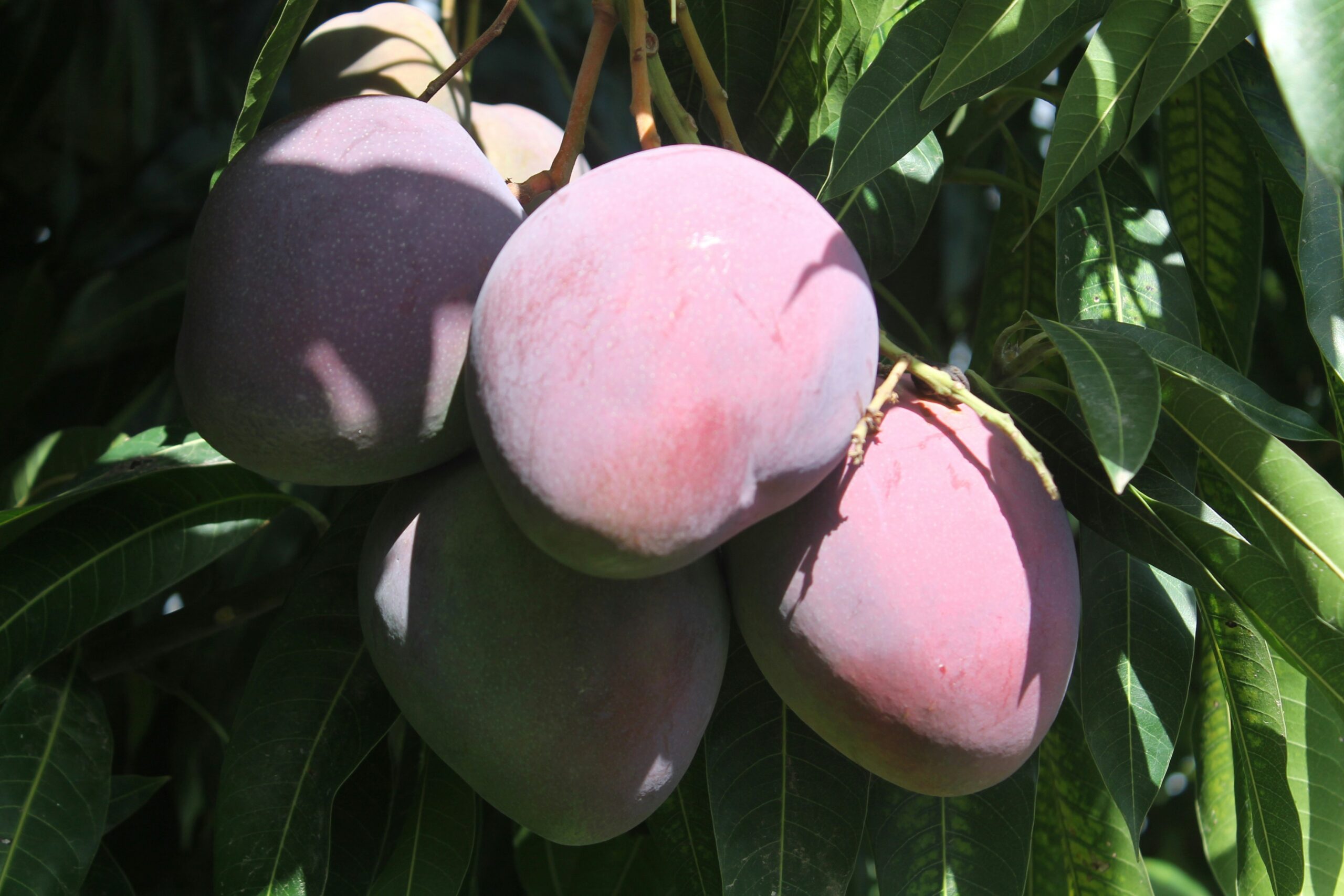
Introduction to Mango
The mango, often referred to as the ‘king of fruits’, has earned this prestigious title due to its unparalleled popularity and exquisite taste. Originating from South Asia, the mango is now cultivated extensively in tropical and subtropical regions around the world, delighting many with its sweet, juicy flesh and vibrant colors. Its rich flavor and aromatic scent make it a cherished ingredient in various culinary traditions, ranging from smoothies and salads to desserts and savory dishes. This versatility significantly contributes to mango’s reputation as a beloved tropical treat.
In addition to its delightful taste, the mango holds a prominent place in Ayurvedic medicine. According to Ayurveda, this fruit is not merely a delicious indulgence; it is also a potent source of numerous health benefits. Rich in vitamins, minerals, and antioxidants, mangoes are believed to improve digestion, boost immunity, and enhance skin health. Their high content of fiber aids in maintaining gut health, while vitamin C strengthens the immune system, making the mango a seasonal staple, especially during the hot summer months.
Furthermore, Ayurveda emphasizes the importance of consuming mangoes mindfully, tailoring their intake to an individual’s dosha or constitution. By understanding one’s unique body type, one can enjoy the mango in a manner that maximizes its health benefits without experiencing any adverse effects. Whether consumed raw, dried, or in juice form, mindful consumption of mango not only enhances its flavor but also allows individuals to harness its nutritional properties effectively. The mango’s significance transcends its culinary uses, establishing it as a valuable fruit in the holistic approach of Ayurveda.
Benefits of Raw Mango (Kacha Aam)
Raw mango, often referred to as Kacha Aam, is highly regarded in Ayurvedic practices due to its multitude of health benefits. One of the most noteworthy advantages of consuming raw mango is its ability to cool the body. The fruit is known for its astringent properties, which help reduce body heat, making it an ideal remedy during the hot summer months. This cooling effect is particularly beneficial for individuals who experience increased body heat, as it can help alleviate discomfort associated with excessive warmth.
Moreover, raw mango plays a significant role in preventing dehydration. The fruit is a rich source of electrolytes, which are essential for maintaining fluid balance in the body. Drinking raw mango juice, commonly known as aam panna, is especially effective in combating dehydration. This refreshing beverage not only quenches thirst but also replenishes lost electrolytes, making it an excellent choice for those exposed to high temperatures or strenuous outdoor activities.
In addition to its cooling properties, raw mango is beneficial in protecting against heatstroke. The consumption of Kacha Aam helps regulate body temperature and fortify the body against heat-related illnesses. Its tartness aids in the reduction of excess pitta, a dosha associated with heat in Ayurveda, promoting a balanced internal state conducive to overall well-being.
Furthermore, raw mango enhances digestion and stimulates appetite. Packed with dietary fiber and essential nutrients, it supports digestive health by promoting regular bowel movements. The sour flavor of Kacha Aam is known to increase the secretion of digestive enzymes, thereby improving digestion and encouraging a healthy appetite. In summary, incorporating raw mango into one’s diet offers numerous health benefits aligned with the principles of Ayurveda, particularly in balancing pitta dosha and supporting bodily functions. From hydrating properties to digestive benefits, Kacha Aam truly is a powerhouse of nutrition.
Benefits of Ripe Mango
The ripe mango is often referred to as the “king of fruits,” and its array of health benefits justifies this esteemed title. Packed with essential vitamins, minerals, and antioxidants, ripe mangoes serve as a potent source of energy and stamina. The high carbohydrate content, primarily in the form of natural sugars, provides a quick energy boost, making them an excellent choice for those needing a revitalizing snack or meal addition.
Moreover, ripe mangoes play a crucial role in blood purification. This fruit contains compounds such as quercetin, which is known for its anti-inflammatory and antioxidant properties, thus contributing to a cleaner bloodstream. The presence of vitamin C further enhances the immune system, promoting overall health and well-being.
Another benefit of ripe mango is its ability to improve skin glow. The vitamins A and C found in mangoes are vital for skin health and maintenance. By aiding collagen production, they contribute to a youthful appearance, while the natural moisture content helps to hydrate the skin effectively. Regular consumption of ripe mango can lead to a clear and radiant complexion, making it a favored fruit in various beauty regimens.
Ripe mangoes also support digestion. They are rich in dietary fiber, which facilitates smooth bowel movements and aids in the prevention of constipation. Additionally, the enzymes present in mango help in breaking down proteins, thus enhancing the digestive process and overall gut health.
It is essential to note the influence of ripe mango on the body’s doshas in Ayurveda. While ripe mangoes effectively balance vata and kapha doshas, excessive consumption may aggravate pitta dosha due to their inherent heat. Moderation is key; this delightful fruit should be enjoyed in balance to harness its full benefits optimally.
How to Eat Mango According to Ayurveda
In Ayurveda, the consumption of mango, recognized as the “king of fruits,” is guided by specific principles that can optimize its health benefits. To fully harness the nutritional advantages of this delicious fruit, timing and preparation are crucial elements. It is generally recommended to consume mango during the summertime when its cooling properties are most beneficial, serving to balance the heat in our bodies.
Eating mango after a light meal is deemed most advantageous. This practice aids in digestion, enabling the body to absorb the vitamins and minerals present in mango more effectively. A heavy meal can dilute digestive juices, making it harder for the body to break down the mango’s sugars and fibers, potentially leading to discomfort or indigestion.
Pairing mango with warm milk is another Ayurvedic recommendation. This combination not only enhances the flavor profile but also promotes better digestion and absorption of nutrients. Warm milk acts as a soothing agent, complementing the juicy pulp of the mango and allowing for a well-rounded digestive experience. However, one should avoid mixing mango with sour or fermented foods, as this can create an imbalance in the digestive system and inhibit the fruit’s beneficial properties.
Furthermore, it is advisable to steer clear of consuming mango with too many heavy or oily foods, as this combination may lead to lethargy or digestive disturbances. For optimal health benefits, including mango in a diet rich in whole grains, other seasonal fruits, and vegetables will enhance overall wellness. By following these Ayurvedic guidelines on how to eat mango, individuals can fully enjoy the flavors while reaping its health rewards, ensuring that this fruit remains a staple in balanced nutritional practices.
Ayurvedic Recipe – Aam Panna (Cooling Mango Drink)
Aam Panna is a traditional Ayurvedic beverage known for its revitalizing properties and is particularly cherished during the sweltering summer months. This refreshing drink, made from raw mango, acts as an excellent coolant, helping to maintain a balance of pitta dosha, which is often elevated due to the heat. Below is a detailed recipe to prepare this hydrating drink.
Ingredients:
- 2 medium-sized raw mangoes
- 1 cup of water
- 1 tablespoon of roasted cumin powder
- 1 tablespoon of black salt
- 1–2 tablespoons of jaggery or sugar (adjust to taste)
- Fresh mint leaves for garnish
- Ice cubes (optional)
Preparation Steps:
- Boiling the Mangoes: Begin by washing the raw mangoes thoroughly. In a pot of boiling water, add the mangoes and allow them to cook for about 15-20 minutes, or until they become soft. Once cooked, remove them from the water and let them cool.
- Peeling and Pulping: After the mangoes have cooled to a manageable temperature, peel the skin off and extract the pulp into a mixing bowl.
- Blending: Add the mango pulp to a blender. Pour in 1 cup of water, then include roasted cumin powder, black salt, and jaggery or sugar. Blend until smooth, taste and adjust sweetness if necessary.
- Serving: Pour the aam panna into glasses, adding ice cubes if desired, and garnish with fresh mint leaves for a burst of flavor.
- Enjoying: Serve chilled and enjoy this nourishing drink, which not only quenches thirst but also helps to balance your body’s heat.
This Ayurvedic drink is not just refreshing, but it also packed with essential nutrients that keep you hydrated while promoting healthy digestion and cooling your system. With its vibrant flavor profile, aam panna is an ideal choice for staying refreshed when temperatures soar.
Mango’s Effect on Doshas
Mango, often referred to as the “king of fruits,” holds a significant place in Ayurvedic traditions due to its unique qualities that affect the three doshas: vata, pitta, and kapha. Each individual has a specific constitution, or prakriti, which dictates how different foods might affect their balance of doshas. Understanding how mango interacts with these energies can help individuals make informed dietary choices.
For those who have an elevated vata dosha, the consumption of mango can be particularly beneficial. Vata is characterized by qualities such as dryness, coolness, and irregularity. The juicy texture and sweet taste of ripe mango help to hydrate and ground vata, which can lead to improved digestion and nourishment. Individuals with vata imbalance may find that enjoying mango in moderation—such as in smoothies or by adding it to warm dishes—can enhance their overall well-being, promoting stability and contentment.
Conversely, for those with a predominant pitta dosha, caution is advised when consuming mango, particularly ripe mangoes. Pitta is associated with heat, intensity, and sharpness, and ripe mangoes possess high sugar content, potentially aggravating pitta conditions. It is advisable for individuals with high pitta to consume mango in moderation, perhaps pairing it with cooling agents such as coconut or enjoying it as part of a balanced meal to mitigate its heating effects.
For individuals with a kapha dosha, mango should be consumed sparingly. Kapha is marked by heaviness, dampness, and lethargy. The richness and sweetness of mango can exacerbate kapha imbalances, leading to issues like congestion or sluggishness. To enjoy the benefits of mango while managing kapha, it is recommended to consume it in small quantities, perhaps opting for unripe mango, which is lighter and less sweet, resulting in a more neutral effect on this dosha.
Conclusion: The Ayurvedic Superfruit
In Ayurveda, mango stands out as more than just a seasonal delight; it is revered as a superfruit that embodies a wealth of health benefits deeply rooted in ancient wisdom. This tropical gem is rich in vitamins, minerals, and antioxidants, making it an indispensable addition to one’s diet during its peak season. However, to fully harness the mango’s potential in promoting overall well-being, it is essential to understand the importance of mindful consumption.
Ayurveda identifies the mango’s cooling properties, which can be particularly beneficial during the hot summer months. It is known to pacify pitta dosha, allowing individuals to maintain a balanced state of health while combating the heat. In addition to its cooling effects, mango supports digestion due to its enzyme content, aiding the body in breaking down food and enhancing nutrient absorption. This digestive support is crucial in Ayurveda, as a healthy digestive system is the foundation of overall health.
Moreover, the immune-boosting properties of mango cannot be overlooked. Consuming this nutrient-dense fruit strengthens the body’s defenses against illnesses, making it a valuable ally in maintaining good health throughout the year. It also serves as a mind rejuvenator, promoting mental clarity and emotional well-being. This dual action of supporting physical health while uplifting mood exemplifies the holistic approach of Ayurveda.
Importantly, the benefits of mango consumption are closely tied to one’s dosha and the changing seasons. Individuals should consider their unique constitution and the environment when incorporating mango into their diets, ensuring they consume it in a way that aligns with their personal health needs. By recognizing the significance of mindful mango consumption, one can unlock the full range of benefits this Ayurvedic powerhouse has to offer.
Engage with Us: Your Mango Preferences
Mango, often referred to as the “king of fruits,” holds a special place in the hearts of many. Its rich flavor and delightful sweetness make it a favored choice across various cultures and regions. As we delve into the Ayurvedic benefits of this incredible fruit, we invite you to share your own mango experiences and preferences with us.
Do you relish the crisp tang of a raw mango, with its vibrant green skin and refreshing taste, or do you prefer the succulent sweetness of a fully ripened fruit, often enjoyed on warm summer days? Each form of mango presents its own unique flavor profile and nutritional benefits. Raw mangoes, for instance, are often praised in Ayurveda for their ability to balance pitta dosha, while ripe mangoes are revered as a source of energy and joy.
We would love to hear about your favorite ways to enjoy mangoes! Do you incorporate them into your daily diet, perhaps as a part of a colorful salad, or as an ingredient in a delicious dessert? Additionally, if you have any Ayurvedic tips or recipes that celebrate the versatility of mango, please don’t hesitate to share them in the comments section. Engaging with fellow mango enthusiasts can serve as a wonderful opportunity for knowledge exchange and community building.
Your insights could inspire others to explore the numerous advantages of including mango in their diet. As we celebrate this magnificent fruit, let us connect and foster a community that appreciates the flavors, traditions, and health benefits that mangoes bring to our lives. We look forward to your thoughts and ideas!
Further Reading: Exploring More Ayurvedic Fruits
Ayurveda, the ancient system of medicine from India, emphasizes the importance of seasonal fruits in promoting health and well-being. Beyond mangoes, there are several other fruits hailed in Ayurvedic practices for their therapeutic properties. Incorporating these fruits into one’s diet can enhance vitality and balance the body’s energies.
One notable fruit is the pomegranate (Punica granatum), often referred to as a symbol of health and fertility. Rich in antioxidants, pomegranates are known for their ability to improve heart health, support digestion, and reduce inflammation. In Ayurveda, the fruit, seeds, and juice are used to treat various ailments, such as anemia and digestive disorders. Its sweet and tangy taste makes it a delightful addition to salads and juices.
Another significant fruit is the amla (Indian gooseberry), recognized for its exceptional vitamin C content and rejuvenating properties. Amla is regarded as a powerful antioxidant and is believed to enhance immunity, promote healthy skin, and support hair growth. In Ayurvedic terms, it is often utilized in formulations to balance all three doshas. Consuming amla in the form of juice or powder can provide an invigorating boost to overall health.
Furthermore, the jackfruit (Artocarpus heterophyllus) is celebrated for its versatility and nutritional benefits. It offers a good source of dietary fiber, vitamins, and minerals, making it a valuable food for digestion and overall wellness. In Ayurveda, the seeds of jackfruit are known to possess cooling properties that balance the body’s heat, thus suitable for maintaining harmony during warmer months.
Lastly, the banana is another fruit recommended in Ayurvedic diets. With its natural sweetness and rich potassium content, bananas provide energy and aid in maintaining electrolyte balance. They are often utilized for their grounding effects, making them helpful for individuals with a vata imbalance.
Incorporating these Ayurvedic fruits into your diet can enrich your health and enhance the healing benefits of food. By diversifying your fruit intake, you can harmonize your body with the rhythms of nature and its seasonal offerings.