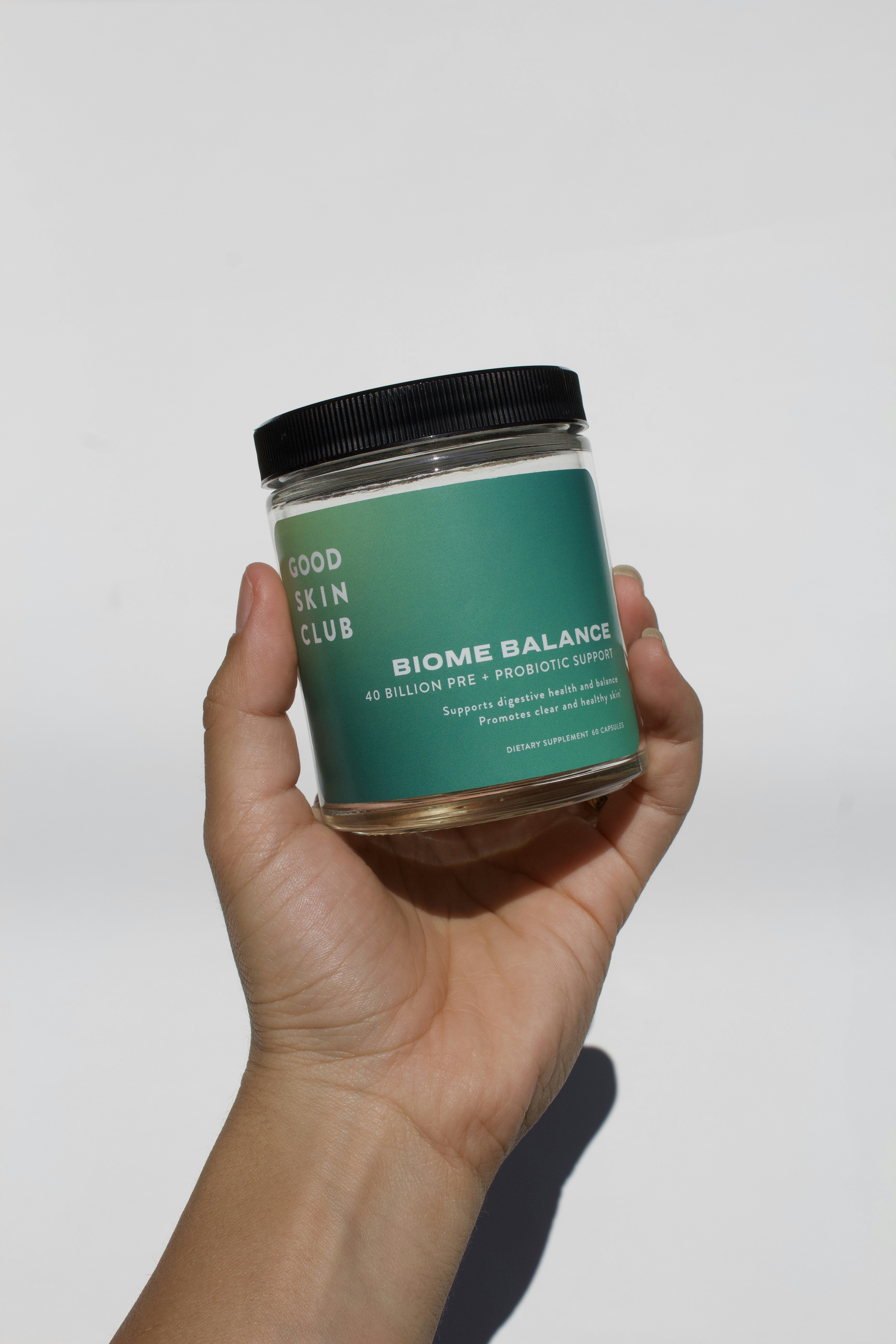
Understanding Gut Health
Gut health plays a crucial role in maintaining overall well-being, as it is closely linked to various bodily functions and processes. The gastrointestinal tract is home to a complex community of microorganisms, collectively known as the gut microbiome. This diverse ecosystem comprises trillions of bacteria, viruses, fungi, and other microbes that regulate digestion, metabolism, and immune system performance.
A healthy gut microbiome is essential for efficient digestion and nutrient absorption. It aids in breaking down complex carbohydrates and fibers, producing essential nutrients such as short-chain fatty acids that serve as energy sources for the cells lining the intestines. Furthermore, the gut microbiome acts as a barrier against harmful pathogens and toxins, playing a vital role in immune defense.
Recent research underscores the significant connection between gut health and mental well-being. The gut-brain axis, the bidirectional communication system between the gastrointestinal tract and the brain, highlights how the gut microbiome can influence mood and cognitive functions. An imbalance in gut bacteria is linked to conditions such as anxiety and depression, emphasizing the importance of maintaining gut health for emotional stability.
Signs of an unhealthy gut can manifest in various ways, including digestive issues, such as bloating, gas, diarrhea, or constipation. Moreover, chronic inflammation, food intolerances, and even skin conditions like eczema may indicate an imbalance in gut flora. A poor diet, high in processed foods, and low in fiber can exacerbate these issues, contributing to the decline of gut health.
Therefore, understanding gut health is vital for making informed dietary choices that promote the well-being of both the microbiome and the individual. A balanced diet rich in whole foods, fiber, and probiotics can help maintain a harmonious gut environment, ultimately ensuring holistic health and vitality.
The Power of Turmeric and Black Pepper
Turmeric and black pepper have gained recognition in the realm of natural health, particularly for their synergistic benefits that bolster gut health. The primary active ingredient in turmeric, curcumin, is renowned for its potent anti-inflammatory and antioxidant properties. Numerous studies suggest that curcumin can effectively modulate inflammatory responses in the body, making it a significant ally in the management of various gastrointestinal disorders. By reducing inflammation, curcumin helps alleviate conditions such as irritable bowel syndrome (IBS) and inflammatory bowel disease (IBD), contributing to a healthier gut environment.
On the other hand, black pepper contains piperine, a compound known for its ability to enhance the bioavailability of curcumin. Research has shown that the inclusion of piperine can increase the absorption rate of curcumin by up to 2000%. This is particularly important, as curcumin on its own has relatively low absorption efficiency. By combining turmeric with black pepper, individuals can maximize the gastrointestinal benefits of curcumin, ensuring that more of it reaches the bloodstream and exerts its positive effects on gut health.
Moreover, the antioxidant properties of both turmeric and black pepper work in unison to combat oxidative stress within the digestive system. Chronic oxidative stress can lead to cell damage and is often associated with various gastrointestinal diseases. By incorporating this powerful duo into one’s diet, individuals can enhance their gut health while also supporting overall well-being.
In summary, the combination of turmeric and black pepper offers a holistic approach to promoting gut health. Turmeric’s curcumin, with its anti-inflammatory benefits, combined with black pepper’s ability to improve absorption, makes this pairing a favored choice among gastroenterologists. This duo not only assists in alleviating gastrointestinal issues but also fortifies the overall digestive system, making it an invaluable addition to a balanced diet.
Top Gut-Friendly Foods Recommended by Gastroenterologists
Maintaining optimal gut health is essential for overall well-being, and gastroenterologists often recommend certain foods that are rich in probiotics, prebiotics, fiber, and anti-inflammatory properties. Incorporating these foods into one’s diet can complement the benefits provided by turmeric and black pepper, well-known for their anti-inflammatory and digestive benefits.
Firstly, fermented foods such as yogurt, kefir, and sauerkraut are staples in promoting gut health. These foods are rich in probiotics, which are beneficial bacteria that help balance the gut microbiome. Probiotics are vital for improving digestion, enhancing nutrient absorption, and supporting the immune system. Including a regular serving of yogurt or a small portion of sauerkraut in daily meals can significantly boost gut flora diversity.
Secondly, garlic and onions, which are excellent sources of prebiotics, are highly recommended. Prebiotics serve as food for probiotics, helping them thrive and multiply in the gut. They contribute to improved digestion and may play a role in preventing gastrointestinal disorders. Adding raw garlic to salads or including onions in various dishes can enrich the gut microbiome effectively.
Additionally, whole grains like oats and quinoa are important for gut health due to their high fiber content. Fiber aids in regulating bowel movements and promotes the growth of healthy bacteria in the gut. Incorporating whole grains into one’s meals provides necessary bulk and helps to maintain a well-functioning digestive system.
Lastly, including foods rich in omega-3 fatty acids, such as flaxseeds, chia seeds, and fatty fish, is beneficial for their anti-inflammatory properties. These foods can help soothe the gut lining and reduce inflammation, further enhancing the positive effects of consuming turmeric and black pepper.
Incorporating Turmeric and Black Pepper into Your Diet
Incorporating turmeric and black pepper into your daily diet can be a rewarding endeavor, not only for enhancing flavor but also for promoting gut health. Both spices offer synergistic benefits when consumed together, due to curcumin’s absorption-enhancing properties. To maximize their benefits, aim for using these spices consistently in your meals.
One of the simplest ways to introduce turmeric and black pepper into your diet is by adding them to smoothies. A morning smoothie consisting of spinach, banana, almond milk, a teaspoon of turmeric, and a pinch of black pepper can serve as a nutritious start to your day. This combination not only boosts your antioxidant intake but also supports your digestive health.
Another effective method is to incorporate these spices into savory dishes. For instance, when preparing curries, soups, or stir-fries, including turmeric and black pepper can enhance flavors while providing their gut health benefits. A traditional Indian curry made with lentils, tomatoes, and a teaspoon each of turmeric and black pepper can help create a wholesome meal that supports gut microbiome balance.
For a delightful side dish, consider roasting vegetables seasoned with olive oil, turmeric, and black pepper. Vegetables such as cauliflower, carrots, and sweet potatoes caramelize beautifully when roasted, making for a delicious addition to your meal. Furthermore, combining turmeric and black pepper with healthy fats, such as olive oil or coconut oil, enhances curcumin’s absorption, ensuring optimal health benefits.
For dosage recommendations, consuming about 1 to 1.5 teaspoons of turmeric daily can be beneficial. A pinch of black pepper (about 1/10 of a teaspoon) can enhance the bioavailability of curcumin considerably. However, it is essential to consult a healthcare professional before making significant changes to your diet, especially if you have underlying health conditions or are taking medications. Moderation and proper integration are key to safely reaping the benefits of these powerful spices.